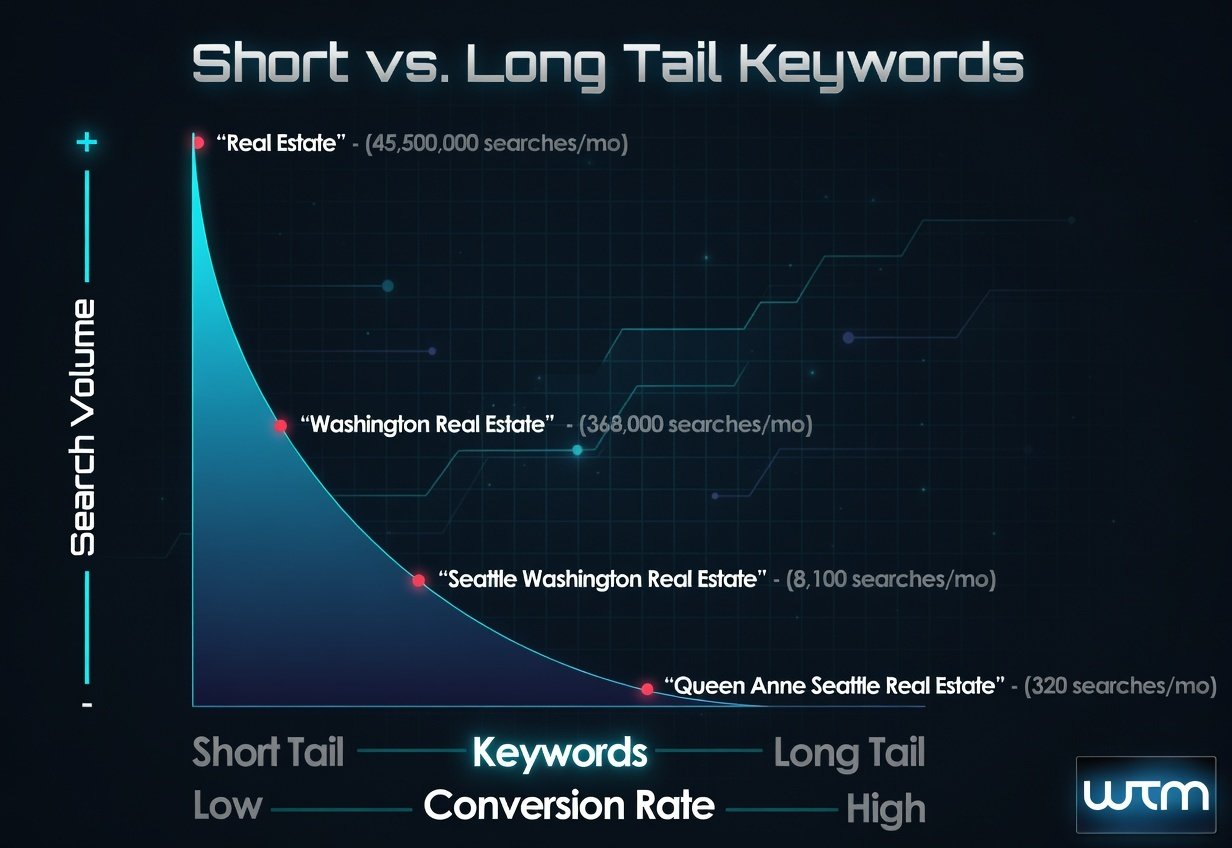
In the world of e-commerce SEO, choosing the right keywords makes a big difference in sales. Many store owners focus on short, popular search terms, but long tail keywords convert better than short tail because they match what buyers really want. These longer phrases help online shops attract ready-to-buy visitors instead of just curious browsers. This leads to more orders with less effort.
Short tail keywords are usually one or two words, like "shoes" or "phone." They get lots of searches but face tough competition from big brands. Long tail keywords convert better than short tail since they are more specific, such as "comfortable running shoes for wide feet under 50 dollars." People using these know exactly what they need and are closer to making a purchase.
What Are Short Tail and Long Tail Keywords?
Short tail keywords (also called head keywords) are broad and simple. Examples include:
- laptops
- dresses
- coffee maker
These draw huge crowds but most visitors are just looking around. They might read reviews, compare options, or leave without buying.
Long tail keywords are longer phrases with three or more words. They describe needs in detail. Examples:
- best budget wireless earbuds with noise cancellation
- organic cotton baby onesies size newborn pack of 5
- stainless steel water bottle with straw lid 32 oz
These match real questions people type into search bars. Studies show that longer searches make up a large part of all queries. In fact, most online searches are specific rather than general.
Why Long Tail Keywords Convert Better Than Short Tail: The Main Reasons
Here are the top reasons long tail keywords convert better than short tail in e-commerce.
- Better Match to Buyer Intent When someone searches a short tail term like "headphones," they could be researching, comparing prices, or just browsing. But a long tail search like "wireless headphones for gym workouts sweatproof" shows clear intent to buy something specific. The user is further along in deciding and more likely to add to cart.
- Higher Conversion Rates from Qualified Traffic Data from various SEO reports shows long tail phrases often turn visitors into buyers at much higher rates. For example, one analysis found long tail keywords had conversion rates up to 36% in some cases, far above average landing page rates of around 11%. Another study showed long tail terms converted about 4-5% higher on average than short tail ones, even though short tail drove more raw traffic (sometimes 11 times more).
- Less Competition Means Easier Rankings Big companies dominate short tail keywords with huge budgets. Small or medium e-commerce stores struggle to appear on page one. Long tail keywords have lower competition, so your product pages or blog posts can rank faster and higher. Once ranked, they bring steady sales.
- Lower Cost and Better ROI Ranking for long tail keywords requires less backlink building or paid ads. You can focus on good product descriptions, images, and simple on-page tweaks. This saves time and money while delivering real revenue.
- Supports Voice Search and Mobile Buyers People talk to phones or smart devices using natural sentences. These sound like long tail phrases: "where can I buy affordable running shoes for plantar fasciitis." Voice searches favor specific terms, helping e-commerce sites capture more mobile sales.
Real Examples from E-Commerce Stores
Imagine an online shoe store. Targeting "shoes" brings thousands of visitors but few sales. Most bounce because the page doesn't match their exact need.
Now target long tail keywords like:
- "men's waterproof hiking boots size 11 wide"
- "women's casual sneakers with arch support for standing all day"
These pages can include exact product matches, size guides, and customer reviews. Visitors find what they want quickly and buy more often.
Another example: a beauty shop. Short tail "makeup" is too broad. But "matte lipstick for dry lips long lasting under 20" attracts women ready to purchase. The page lists products that fit perfectly, leading to higher add-to-cart rates.
In one real-world test from an SEO firm, short tail keywords drove massive traffic but long tail ones had noticeably better conversion and lower bounce rates. The extra specificity made the difference.
How to Find and Use Long Tail Keywords in Your E-Commerce Store
Follow these simple steps to start using long tail keywords that convert.
- Use Free Tools for Ideas Start with Google search suggestions. Type your main product and see what pops up. Tools like Google Keyword Planner or free versions show related searches.
- Look at Competitor Pages See what ranks for specific product types. Note phrases they target in titles, descriptions, and headings.
- Add Them to Product Pages Put the long tail keyword in:
- Title tag
- Meta description
- H1 heading
- First paragraph
- Product features list
- Create Blog Content Write helpful articles around long tail questions. For example, "How to Choose the Best Wireless Charger for iPhone 15" can link to products.
- Optimize Categories and Filters Use specific filters like "blue summer dresses under $30" as category names or URLs.
- Track Results Use Google Analytics to see which keywords bring sales. Focus more on winners.
Statistics That Prove the Point
- Long tail keywords often account for 70% or more of total search traffic when combined.
- They face up to 10-20 times less competition than short tail terms.
- Conversion lifts from specific targeting can reach 2-11 times higher in some reports, especially for phrases with 4+ words.
- E-commerce sites using long tail strategies see better revenue per visitor because traffic is more targeted.
These numbers come from SEO studies and real store data shared by experts over the years.
Tips for Better Results with Long Tail Keywords
- Always write for people first, not just search engines. Make content clear and helpful.
- Include high-quality images of products from different angles.
- Add customer reviews and ratings to build trust.
- Ensure fast page load times, especially on mobile.
- Use internal links to connect related products.
For more on building strong SEO through quality links and content, check out services like those at PremiumLinkPost for high-authority placements, or explore their services and marketplace options to support your efforts.
Conclusion
Long tail keywords convert better than short tail in e-commerce SEO because they attract ready buyers, face less competition, and deliver higher sales from each visitor. While short tail terms build broad awareness, long tail keywords drive real revenue by matching exact needs. Start adding them to your store today for better results with less struggle.
What specific long tail keywords are you planning to target for your e-commerce products? Share in the comments!
References
- Insights drawn from SEO analyses by experts like those at SEER Interactive (showing 4.15% higher conversions for long tail).
- General statistics from sources such as The HOTH and various industry reports on conversion rates (up to 36% for long tail in targeted cases).
- Practical examples based on common e-commerce patterns observed in tools like Google Search and keyword research platforms.
- For link building support in SEO strategies: PremiumLinkPost.