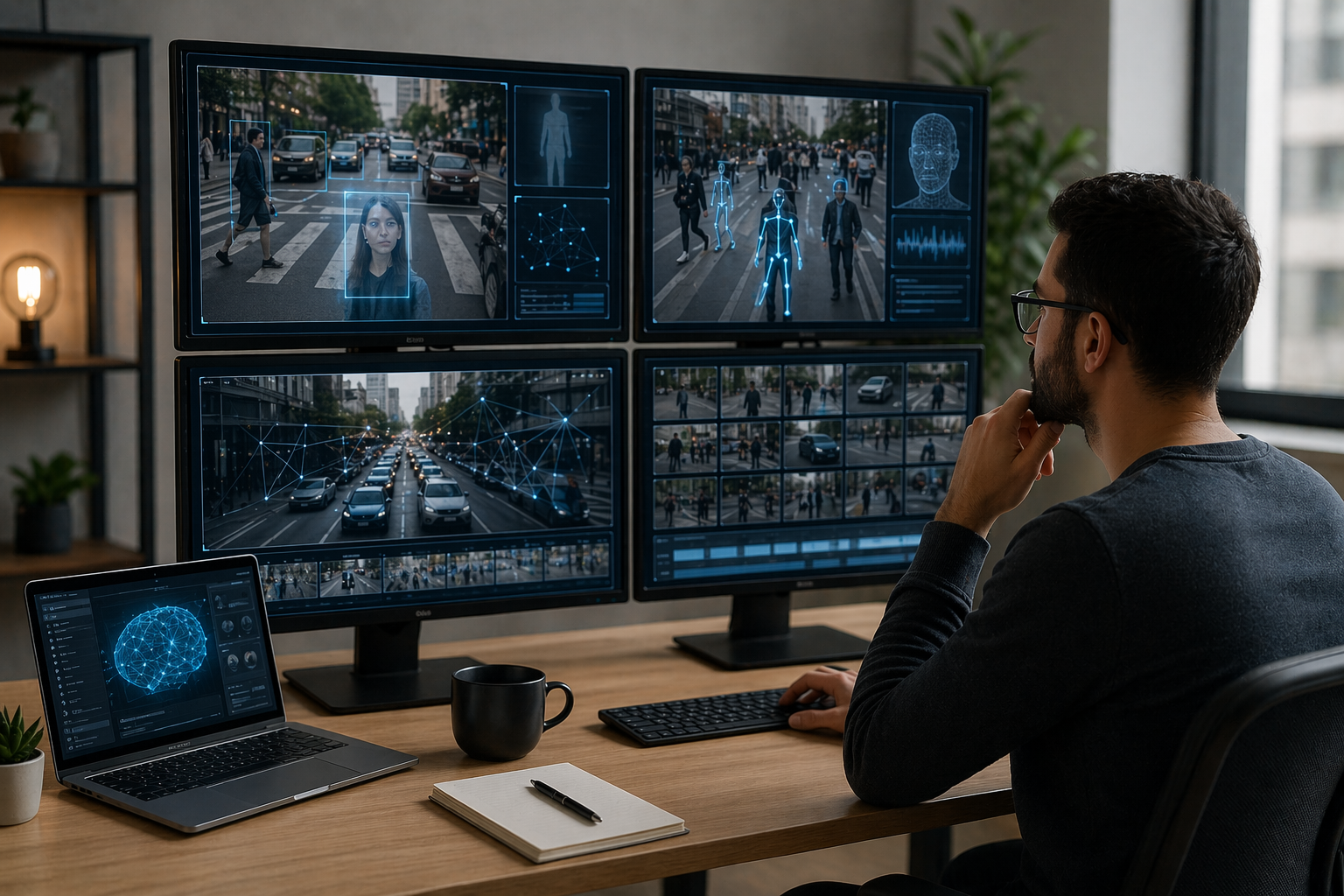
The ability to search reverse video has become incredibly valuable for content creators, researchers, and everyday users alike. This technique allows you to trace the origin of a video, identify where it first appeared, find similar clips, and verify authenticity. Instead of relying on keywords alone, reverse video search uses visual frames, metadata, and AI-powered recognition to locate matching or related content across the internet. Whether you’re trying to confirm the credibility of a viral clip, locate the original uploader, or discover higher-quality versions, understanding this process can transform how you interact with online media.
What Is Search Reverse Video and Why It Matters
Reverse video search is a method of identifying a video’s origin or related content by analyzing visual data rather than relying on text descriptions. It works similarly to reverse image search but extends the concept to moving visuals.
The Growing Importance of Visual Verification
In an era where videos spread rapidly across social media, misinformation can travel just as fast. Reverse searching helps you:
- Confirm whether a video is authentic
- Identify original creators
- Detect reused or edited content
- Avoid sharing misleading media
This is especially useful for journalists, educators, and ethical content creators who value truth and transparency.
How It Differs from Traditional Search
Traditional search engines depend on keywords, titles, and tags. Reverse video search, on the other hand, relies on:
- Frame extraction
- AI-based pattern recognition
- Visual similarity matching
This makes it far more powerful when text-based clues are missing or inaccurate.
How Search Reverse Video Works Behind the Scenes
Understanding the technology behind reverse video search can help you use it more effectively.
Frame Extraction Technology
Videos are made up of thousands of frames (images). Reverse search tools extract key frames and analyze them individually.
AI and Machine Learning Recognition
Modern tools use artificial intelligence to:
- Detect objects, faces, and scenes
- Compare patterns with existing databases
- Match visual similarities across platforms
These systems are continuously improving, making searches more accurate over time.
Metadata Analysis
Sometimes, hidden data within a video file—like timestamps or device information—can help identify its origin.
Popular Tools You Can Use for Reverse Video Search
There isn’t a single universal tool for reverse video search, but several platforms can help when used creatively.
1. Google Images (Frame-Based Search)
Extract a frame from the video and upload it to Google Images. This often reveals:
- Similar images
- Related videos
- Original sources
2. YouTube Data Viewer
Helpful for finding upload timestamps and thumbnails of videos.
3. TinEye
A powerful reverse image search engine that works well with extracted frames.
4. InVID Verification Tool
Widely used by journalists for verifying video authenticity.
Step-by-Step Guide to Performing Reverse Video Search
Step 1: Capture a Clear Frame
Pause the video and take a screenshot of a distinct scene.
Step 2: Upload to Reverse Image Tools
Use platforms like Google Images or TinEye to upload the frame.
Step 3: Analyze Results
Look for:
- Matching visuals
- Earlier upload dates
- Source websites
Step 4: Cross-Check Information
Compare multiple sources to ensure accuracy.
Common Use Cases of Reverse Video Search
Verifying Viral Content
Before sharing a trending video, reverse search helps confirm if it’s real or misleading.
Finding Original Creators
Content creators can give proper credit by locating the original source.
Academic and Research Purposes
Students and researchers can trace video origins for reliable references.
Protecting Intellectual Property
Creators can detect unauthorized use of their content.
Ethical and Halal Use of Reverse Video Search
Using technology responsibly is essential. Reverse video search should always be used for positive and ethical purposes.
Respecting Privacy
Avoid misusing tools to invade someone’s personal life.
Promoting Truth
Use reverse search to spread accurate information and prevent misinformation.
Giving Credit Where It’s Due
Acknowledging original creators aligns with fairness and integrity.
Advanced Techniques for Better Results
Use Multiple Frames
Different frames may yield different results, increasing accuracy.
Combine Tools
Using more than one platform improves your chances of success.
Enhance Image Quality
Clearer images lead to better matches.
Challenges and Limitations of Reverse Video Search
While powerful, reverse video search is not perfect.
Limited Databases
Not all videos are indexed, especially newer or private content.
Edited or Cropped Videos
Heavily modified videos can be harder to trace.
Resolution Issues
Low-quality videos reduce accuracy.
Mid-Article Insight: The Power of Reverse Video Search in Real Life
At this point, it’s worth highlighting how search reverse video plays a crucial role in real-world scenarios. From verifying news footage to identifying educational resources, this method has become an essential digital skill. For example, journalists often rely on it to confirm the authenticity of breaking news clips, ensuring that the information shared with the public is accurate and trustworthy.
Internal Learning Resources to Explore
If you want to deepen your understanding of digital tools and SEO strategies, consider exploring:
- Learn more about improving your visibility through advanced SEO strategies guide
- Discover effective methods in keyword research techniques for beginners
- Understand content optimization with on-page SEO best practices tutorial
These resources can help you build a stronger digital presence alongside mastering reverse video search.
External Resource for Deeper Understanding
For a broader overview of how reverse searching works, you can explore reverse image search explained on Wikipedia, which provides foundational knowledge applicable to video search techniques.
Future of Reverse Video Search Technology
The future looks promising as technology continues to evolve.
AI Advancements
More accurate recognition of faces, objects, and scenes.
Integration with Search Engines
Direct video reverse search features may become standard.
Real-Time Identification
Instant identification of video sources during playback.
Tips to Master Reverse Video Search Quickly
- Practice regularly with different videos
- Stay updated with new tools
- Learn basic image editing for better frame extraction
- Be patient—results may require multiple attempts
Conclusion
Reverse video search is more than just a technical skill—it’s a powerful tool for truth, creativity, and digital awareness. By learning how to analyze video frames, use the right tools, and verify sources, you can navigate the online world with confidence and integrity. Whether you’re a student, content creator, or curious learner, mastering this technique will help you make informed decisions and contribute positively to the digital community.