Introduction to Intent-Based Content Creation
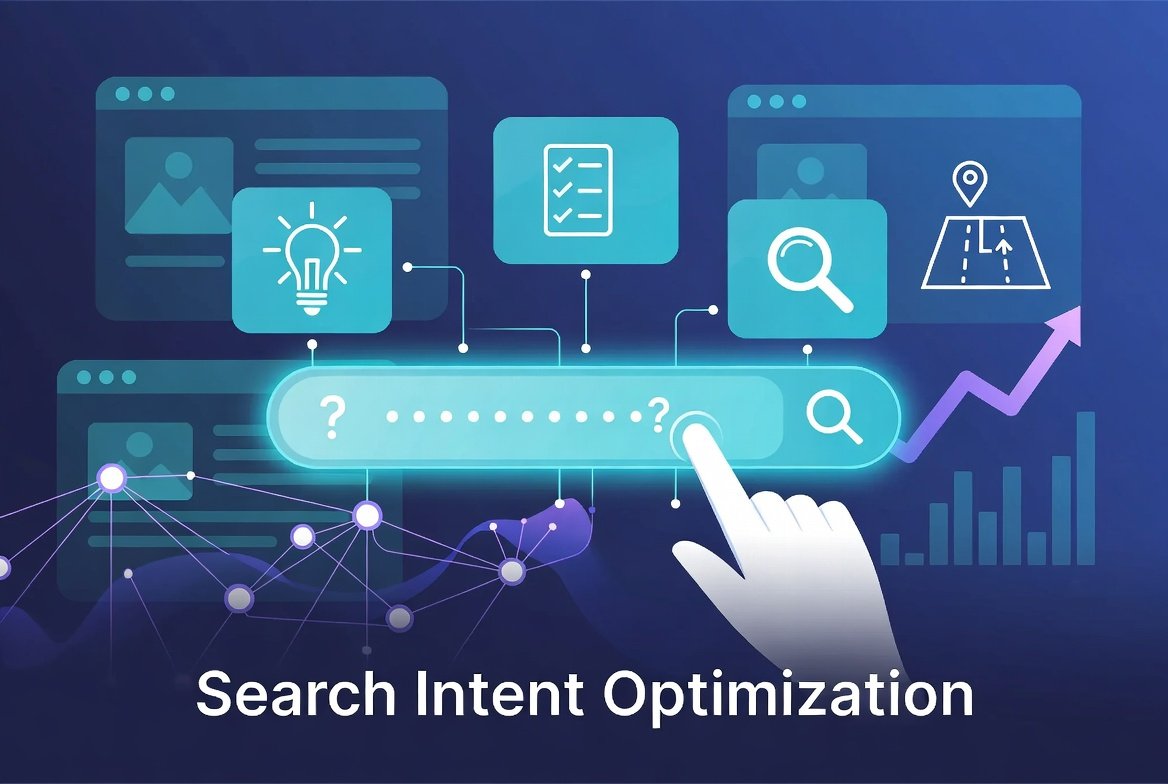
Understanding what users truly seek when they type a query into a search engine has become the cornerstone of successful online presence. Search intent optimization stands out as a powerful approach that aligns content directly with the goals behind every search, ensuring higher relevance and better user satisfaction from the very first paragraph. Intent-based content creation shifts the focus from mere keyword stuffing to delivering genuine value that matches what people need at different stages of their journey. This method not only improves search engine rankings but also builds trust and loyalty among audiences who appreciate helpful, purposeful material. As search engines grow smarter, creators who prioritize this philosophy see remarkable improvements in traffic quality and overall impact. Throughout this comprehensive guide, we will explore every aspect of turning user needs into compelling content pieces that educate, inform, and inspire. Whether you manage a blog, run an educational platform, or handle corporate communications, mastering these principles will elevate your work to new heights. By the end, you will have a clear roadmap for crafting material that feels tailor-made for real people rather than algorithms alone.
What Is Intent-Based Content Creation?
Intent-based content creation is a thoughtful strategy where every piece of writing, video, or resource is built around the specific purpose a person has when searching online. Instead of guessing what might attract clicks, creators analyze the underlying motivation and shape the material to fulfill it perfectly. This approach recognizes that searches are not random—they reflect curiosity, problems needing solutions, or desires for guidance.
At its core, this method emphasizes empathy. You step into the searcher’s shoes and ask: What are they hoping to achieve? Are they looking to learn something new, find a specific resource, compare options, or complete a task? By answering these questions early in the planning process, you avoid creating generic articles that get buried in results pages. Instead, your content becomes a helpful companion that guides users toward clarity and action.
This philosophy has roots in the broader field of user-centered design, where the audience’s experience comes first. In practice, it means mapping out content clusters around related topics and ensuring each piece serves a distinct role. For example, a beginner’s overview might address basic questions, while deeper resources tackle advanced applications. The result is a cohesive ecosystem that keeps visitors engaged longer and encourages them to explore more of your site naturally.
Unlike traditional methods that chase high-volume keywords without context, intent-based creation prioritizes quality and relevance. It respects the intelligence of modern search systems that reward pages offering complete, satisfying answers. This leads to sustainable growth because satisfied users return, share, and interact more positively.
The Evolution of Search Intent in Digital Marketing
Search intent has come a long way since the early days of the internet. Initially, engines relied heavily on exact keyword matches, often rewarding pages that repeated terms excessively. Over time, advancements in artificial intelligence and machine learning allowed platforms to interpret meaning, context, and user behavior far more accurately.
Today, search engines evaluate hundreds of signals to determine what a query really means. Factors like previous searches, location, device type, and even the time of day influence results. This shift has forced content creators to move beyond surface-level optimization toward a deeper understanding of human psychology and behavior patterns.
The rise of voice search and conversational queries has further accelerated this change. People now ask full questions like “how can I improve my daily routine for better focus” instead of fragmented phrases. Such natural language demands responses that feel conversational and helpful rather than robotic.
In recent years, the integration of generative tools has added another layer. Users expect not just information but synthesized insights tailored to their unique situations. This evolution underscores why adapting to intent is no longer optional—it is essential for staying visible and valuable in competitive spaces.
Content that once ranked well purely on authority now must also demonstrate immediate usefulness. Pages that anticipate follow-up questions and provide clear next steps perform significantly better. This progression highlights the importance of continuous learning and adaptation for anyone involved in online publishing.
Understanding the Four Main Types of Search Intent
To create content that truly connects, it is vital to recognize the primary categories of user motivation. While nuances exist, most queries fall into four well-established groups. Each requires a slightly different approach to satisfy expectations effectively.
Informational Intent: Educating and Enlightening Audiences
Informational searches represent a large portion of online activity—often cited around 80 percent in various industry analyses. Here, users seek knowledge, explanations, or answers to questions. Phrases frequently include “how,” “what,” “why,” “guide,” or “tutorial.”
For these queries, content should be comprehensive yet easy to digest. Use clear headings, bullet points, step-by-step instructions, and visual aids where appropriate. The goal is to provide thorough coverage without overwhelming the reader. Include real-world examples, common pitfalls, and practical tips to make the information actionable.
A strong informational piece anticipates related questions and addresses them within the same resource or through logical internal navigation. This keeps users on your site longer and positions you as a reliable source of wisdom.
Navigational Intent: Helping Users Find Specific Destinations
Navigational intent occurs when someone already knows the brand, site, or resource they want but needs help locating it quickly. Queries might include a company name plus “official site” or simply the brand followed by a service.
In these cases, ensure your own branded pages load fast, feature clear branding, and offer straightforward navigation. Optimize titles and meta elements to confirm you are the correct destination. For third-party mentions, consistent naming across the web helps direct traffic accurately.
While you cannot control every navigational query pointing elsewhere, maintaining a strong presence through consistent content and authoritative mentions supports positive outcomes.
Commercial Investigation Intent: Supporting Decision-Making
Users in this category are researching options before making a choice. They compare features, read reviews, or seek pros and cons. Typical keywords involve “best,” “review,” “comparison,” or “versus.”
Content here shines when it presents balanced, evidence-based evaluations. Include tables for side-by-side comparisons, user testimonials, and expert insights. Transparency builds credibility—acknowledge limitations honestly while highlighting strengths.
This stage often serves as a bridge between learning and action, so providing clear criteria for evaluation helps users feel confident in their eventual decisions.
Transactional Intent: Facilitating Smooth Completion
Transactional searches indicate readiness to act—whether downloading a resource, signing up for updates, or completing a purchase. Words like “buy,” “get,” “download,” or “sign up” commonly appear.
For these, streamline the path to action. Clear calls-to-action, simple forms, and reassurance about security or ease of use are essential. Remove unnecessary steps that might cause hesitation. Supporting information, such as guarantees or success stories, can provide the final nudge.
Understanding these categories allows you to create a full-funnel content strategy where each piece supports the next logical step in the user journey.
Why Search Intent Optimization Is Essential for Modern Content Success
Search intent optimization plays a pivotal role midway through any serious content strategy because it bridges the gap between what search engines understand and what real people need. By focusing on this, creators ensure their work does not just appear in results but genuinely resonates once visitors arrive. This alignment leads to lower bounce rates, higher time on page, and improved sharing potential—all signals that search systems reward with better visibility.
In a landscape crowded with information, standing out requires relevance over volume. When content matches intent precisely, users feel understood and valued. This emotional connection fosters loyalty and positions your platform as a go-to resource in its niche. Moreover, it reduces wasted effort on material that fails to engage, allowing teams to allocate resources more wisely toward high-impact projects.
From an ethical standpoint, prioritizing intent respects the audience’s time and intelligence. It moves away from manipulative tactics toward authentic service, which aligns well with principles of integrity and community benefit. In professional settings, this translates to stronger brand reputation and long-term growth rather than short-term spikes followed by declines.
Data from various marketing studies consistently shows that pages optimized for intent outperform others in engagement metrics and conversion potential. As algorithms continue to refine their ability to detect helpfulness, this practice becomes even more critical for sustained success.
Step-by-Step Guide to Implementing Search Intent Optimization
Achieving excellence in this area follows a structured process that anyone can adapt regardless of experience level.
Step 1: Conduct Thorough Keyword Research with Intent in Mind Begin by identifying target terms using tools that reveal related questions and trends. Look beyond volume to understand context through autocomplete suggestions, related searches, and competitor analysis. Group keywords by likely intent category to build logical clusters.
Step 2: Analyze Top-Ranking Content for Patterns Study the current top results for your chosen queries. Note the format (listicles, guides, videos), depth of coverage, and common elements like FAQs or visuals. Identify gaps where you can offer superior value or a fresh perspective.
Step 3: Map Content to User Journey Stages Create a content calendar that addresses needs at awareness, consideration, and decision phases. Ensure each piece fits naturally within the broader ecosystem through strategic internal linking.
Step 4: Craft and Structure Content Accordingly Write with the specific intent type guiding tone, length, and elements. Use subheadings that mirror searcher questions, incorporate helpful visuals, and end with clear next steps.
Step 5: Optimize On-Page Elements Align titles, descriptions, and headings with the dominant intent. Ensure fast loading times and mobile-friendly design to support positive experiences.
Step 6: Test, Measure, and Iterate After publishing, monitor performance through analytics. Gather feedback via comments or surveys and refine based on real user behavior.
Following these steps systematically turns intent optimization into a repeatable habit that consistently delivers results.
Tools and Techniques for Analyzing Search Intent
Several accessible resources help uncover hidden motivations behind queries. Free options include search engine autocomplete features and “people also ask” sections, which reveal common follow-ups. Paid platforms offer deeper insights through competitor data and question databases.
Analytics suites provide behavioral information such as exit pages and session duration, indicating whether content meets expectations. Heatmapping tools show exactly where users focus attention or lose interest.
Surveying your existing audience or conducting polls on relevant forums can yield qualitative insights that numbers alone miss. Combining quantitative data with human feedback creates the most accurate picture.
Advanced techniques involve creating buyer personas and mapping their typical search paths. This humanizes the process and prevents over-reliance on automated suggestions.
Regular audits using these methods keep your strategy fresh as trends and technologies evolve.
Creating Content That Matches User Intent: Best Practices
Effective pieces share several characteristics regardless of niche. They start with a strong hook that immediately signals relevance to the query. Clear, scannable formatting with short paragraphs and descriptive subheadings improves readability.
Incorporate multimedia thoughtfully—images, infographics, or embedded resources enhance understanding without distracting from core messages. Always prioritize accuracy and cite reputable sources where appropriate to build authority.
Encourage interaction through thoughtful questions or calls for comments, fostering community around your content. Update older pieces regularly to maintain freshness and continued relevance.
A useful internal resource for deepening your skills in related areas is exploring advanced keyword research techniques to refine targeting further.
Another helpful guide covers effective content marketing strategies that complement intent-focused approaches.
For comprehensive evaluation, consider SEO audit best practices to ensure alignment across your entire site.
Case Studies: Successful Intent-Based Content Creation Examples
Many organizations have transformed their online presence by embracing this methodology. Educational platforms that created modular learning paths matching different knowledge levels saw dramatic increases in completion rates and positive feedback.
Health and wellness sites that provided balanced, evidence-based guides addressing common concerns experienced higher trust signals and repeat visits. Business resources offering comparison tools and decision frameworks helped professionals make informed choices while establishing the publisher as an industry leader.
One notable example involved a travel blog that restructured articles around seasonal and situational needs, resulting in longer engagement sessions and more newsletter sign-ups. These real-world successes demonstrate that the principles apply across diverse fields when executed with care and consistency.
Common Pitfalls to Avoid in Intent-Based Strategies
Even well-intentioned efforts can stumble without awareness of typical mistakes. One frequent error is assuming all keywords in a group share identical intent—subtle differences can lead to mismatched content. Another is over-optimizing for one intent while ignoring supporting stages, creating gaps in the user journey.
Neglecting mobile users or accessibility features alienates portions of the audience. Failing to update content as trends shift makes previously strong material feel outdated. Relying solely on automated tools without human review risks losing the personal touch that builds genuine connections.
By staying vigilant against these issues and conducting periodic reviews, you maintain the integrity and effectiveness of your approach.
Measuring the Success of Your Intent Optimization Efforts
Success manifests in both quantitative and qualitative ways. Track metrics like organic traffic growth, average session duration, pages per session, and bounce rates for targeted content. Conversion actions—whether form submissions, resource downloads, or social shares—provide clear indicators of value delivered.
User feedback through surveys or comment analysis reveals satisfaction levels that numbers might miss. Search visibility improvements, such as featured snippets or rich results, signal strong alignment with engine expectations.
Set benchmarks before implementing changes and review progress monthly. Adjust strategies based on what the data reveals, creating a cycle of continuous improvement.
Future Trends in Search Intent and Content Creation
Looking ahead, several developments will shape this field. The continued integration of artificial intelligence will make understanding nuanced intents even more precise, demanding content that feels personalized yet scalable.
Voice and visual search will grow, requiring optimized responses for spoken queries and image-based discovery. Privacy-focused changes may limit some behavioral data, pushing creators toward more direct engagement methods like communities or newsletters.
Sustainability and ethical considerations are likely to influence user expectations, favoring transparent and socially responsible material. Creators who anticipate these shifts and incorporate them thoughtfully will maintain an edge.
Staying informed through reputable sources remains key. For broader context on related optimization practices, a helpful external reference is this Forbes article discussing business optimization for search intent: Optimizing Your Business for Search Intent.
Conclusion
Intent-based content creation, powered by diligent search intent optimization, represents a mature and effective way to connect with audiences meaningfully. By understanding motivations, structuring material thoughtfully, and measuring outcomes honestly, anyone can produce work that stands the test of time. This guide has provided a complete framework—from foundational concepts to advanced implementation and future outlook.
Apply these ideas consistently, remain curious about your audience, and never stop refining your craft. The rewards include stronger relationships, improved visibility, and the satisfaction of knowing your efforts genuinely help others. Start small if needed, but commit to the principles outlined here, and watch your digital presence flourish in meaningful ways. The future belongs to those who create with purpose, empathy, and precision.