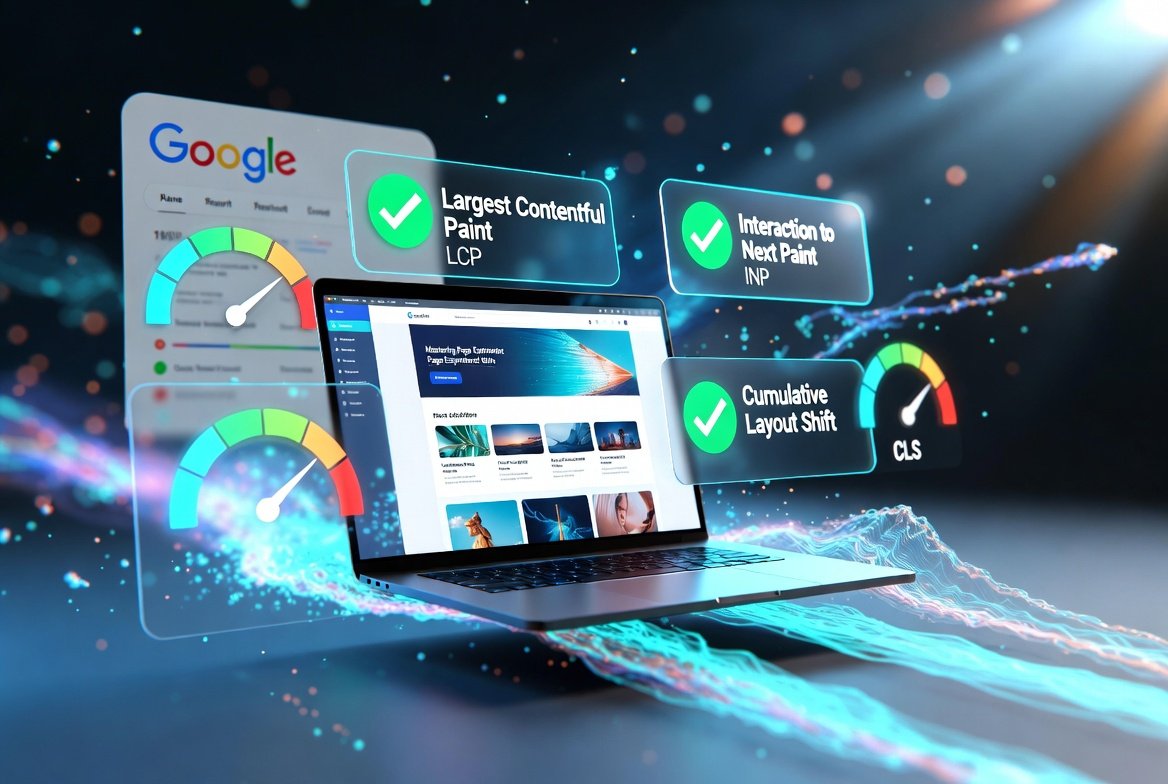
Delivering an exceptional user experience has become a cornerstone of successful search engine optimization. Websites that prioritize smooth navigation, fast loading times, and stable layouts often see better performance in search results. This is where page experience seo plays a pivotal role, helping site owners align their technical setup with what Google values most???real-world user satisfaction.
The concept of page experience refers to a collection of signals that Google uses to evaluate how pleasant and functional a webpage feels to visitors. It goes beyond traditional content quality to focus on measurable aspects of performance and usability. Since its formal introduction, this ranking factor has evolved through several updates, emphasizing the need for websites to load quickly, respond instantly to interactions, and maintain visual consistency. Understanding these elements allows businesses, bloggers, and developers to create sites that not only rank higher but also retain visitors longer.
This comprehensive guide explores the history, key components, measurement techniques, and actionable optimization steps for page experience signals. Whether you manage a small business website or a large content platform, these insights will help you stay ahead of algorithm changes and deliver value to your audience.
What Is Page Experience in SEO?
Page experience is Google???s way of assessing the overall quality of a user???s interaction with a webpage. It combines several user-centric signals into one cohesive ranking factor. At its core, it evaluates how easily users can access, interact with, and consume content without frustration.
Unlike purely content-based signals, page experience looks at technical performance metrics collected from real users across different devices and network conditions. Google introduced this as a way to reward sites that provide smooth, reliable experiences while penalizing those that feel slow, unstable, or difficult to use.
The signal became especially important with the rise of mobile browsing. Today, it influences how pages appear in search results, particularly on mobile devices. A strong page experience can act as a tiebreaker between similar pages, giving well-optimized sites an edge in competitive niches.
Key benefits include lower bounce rates, higher engagement, and improved conversion rates. When users enjoy their time on your site, they are more likely to explore additional pages, share content, and return in the future. This positive behavior feeds back into Google???s understanding of your site???s quality.
The History and Evolution of Google???s Page Experience Updates
Google first signaled its focus on user experience in 2020 when it announced plans to incorporate new metrics into its ranking systems. The official rollout of page experience signals began in May 2021 and completed globally by June 2021. This update integrated existing factors such as mobile-friendliness and secure connections with brand-new performance measurements known as Core Web Vitals.
Initially, the update applied primarily to mobile search results. Over time, Google extended its influence to desktop as well, recognizing that user expectations for speed and stability remain consistent across devices. Subsequent refinements have kept the signal relevant. For instance, the replacement of one interactivity metric with a more comprehensive alternative in 2024 demonstrated Google???s commitment to measuring real-world responsiveness more accurately.
By 2025 and into 2026, page experience continues to form an integral part of broader core updates. Google has repeatedly emphasized that strong performance in these areas supports helpful content initiatives. Sites that combine excellent information with superior technical execution tend to maintain stable rankings even during major algorithm refreshes.
These updates reflect a broader industry shift toward user-first design. Search engines now prioritize experiences that feel intuitive and efficient, encouraging website owners to invest in performance improvements rather than shortcuts.
Breaking Down Core Web Vitals: The Heart of Page Experience SEO
Core Web Vitals represent the three primary metrics within page experience signals. They focus on loading performance, interactivity, and visual stability. Google collects these data points from real Chrome users via the Chrome User Experience Report, ensuring measurements reflect actual visitor conditions rather than lab simulations alone.
Each vital has specific ???good,??? ???needs improvement,??? and ???poor??? thresholds. Pages that achieve ???good??? ratings across all three metrics for a sufficient percentage of real-user visits receive the strongest page experience boost.
Largest Contentful Paint (LCP): Measuring Loading Performance
Largest Contentful Paint tracks the time it takes for the largest visible element???often a hero image, headline, or video???to appear on screen. This metric gives a practical sense of perceived load speed. Google recommends an LCP of 2.5 seconds or faster for a good rating.
Slow LCP frustrates users who expect instant access to main content. Common causes include large unoptimized images, render-blocking JavaScript, or slow server response times. Improving LCP involves prioritizing critical resources and delivering key content as early as possible.
Practical steps include compressing images without quality loss, implementing lazy loading for below-the-fold elements, and using modern formats like WebP or AVIF. Server-side improvements such as better caching and content delivery networks also help significantly.
Interaction to Next Paint (INP): Assessing Responsiveness
Interaction to Next Paint replaced the earlier First Input Delay metric in March 2024. INP measures the time between a user???s interaction???such as clicking a button or typing in a form???and the next visual update on the page. It captures the full range of user interactions throughout the page lifecycle, providing a more complete picture of responsiveness.
The target for good INP is under 200 milliseconds. Delays often stem from heavy JavaScript execution, long tasks on the main thread, or excessive third-party scripts. Optimizing INP requires efficient code, breaking up long tasks, and minimizing main-thread work.
Techniques include using passive event listeners, optimizing event handlers, and leveraging modern frameworks that support better scheduling. Regular performance audits help identify and eliminate bottlenecks that affect user interactions.
Cumulative Layout Shift (CLS): Ensuring Visual Stability
Cumulative Layout Shift quantifies unexpected layout movements during page load. Elements shifting position unexpectedly???such as text jumping when an image finally loads???create a jarring experience. Google sets a good CLS threshold at 0.1 or lower.
High CLS scores frequently result from unsized images or ads, dynamically injected content, or web fonts that load late. The solution lies in reserving space for elements before they render. Setting explicit width and height attributes on images and using font-display strategies prevents most layout shifts.
Monitoring CLS over time reveals patterns that lab tools might miss. Real-user data often uncovers device-specific or network-specific issues that require targeted fixes.
Additional Factors That Contribute to Strong Page Experience
Beyond Core Web Vitals, Google considers several supporting signals. Mobile-friendliness remains essential, as most searches now occur on smartphones. Responsive design ensures content adapts gracefully to any screen size.
Secure connections via HTTPS build trust and are now standard practice. Pages without proper encryption may trigger warnings that harm user confidence and indirectly affect experience scores.
Avoiding intrusive elements that disrupt reading flow also matters. While Google has refined its stance over time, the principle of respecting user attention stays consistent. Clean, uncluttered interfaces tend to perform better across all experience metrics.
How Page Experience SEO Influences Search Rankings
Page experience acts as a tiebreaker rather than a dominant ranking factor. When two pages offer similar content quality and relevance, the one with superior experience signals gains an advantage. This approach encourages holistic website improvement instead of isolated tweaks.
Data from various industry studies shows that sites achieving good Core Web Vitals scores often enjoy lower bounce rates and higher average session durations. These behavioral signals reinforce positive rankings over time.
Importantly, page experience applies at the page level rather than site-wide in many cases. High-performing individual pages can stand out even if other sections need work. This granular approach allows targeted optimization efforts with measurable impact.
Measuring Your Page Experience: Essential Tools and Reports
Google provides several free tools to assess and monitor page experience signals. Search Console???s Core Web Vitals report groups URLs by performance status and highlights specific issues across your site. It uses real-user data collected over the previous 28 days, offering reliable insights into actual visitor experiences.
PageSpeed Insights combines lab and field data, delivering actionable recommendations for each metric. Lighthouse audits within Chrome DevTools provide detailed technical breakdowns and suggestions for improvement.
Third-party tools complement these by offering continuous monitoring and historical trend analysis. Regular testing across different devices and connection speeds ensures comprehensive coverage.
For a deeper technical overview of performance measurement tools, refer to the Google PageSpeed Tools entry on Wikipedia.
Optimizing for Page Experience SEO: Practical Strategies That Deliver Results
Achieving excellent page experience requires systematic effort across multiple areas. This section represents the heart of effective page experience seo, where technical improvements translate directly into better user satisfaction and search performance.
Start with a full site audit using the tools mentioned earlier. Identify pages with the poorest scores and prioritize them based on traffic volume and business importance. Focus first on high-impact fixes that address multiple metrics simultaneously.
Image and Media Optimization Techniques
Large media files often hurt LCP and CLS. Implement responsive images with proper srcset attributes so browsers serve appropriately sized versions. Compress files aggressively while maintaining visual quality. Modern formats and lazy loading further reduce initial payload.
For detailed guidance on enhancing visual assets without compromising quality, explore advanced image optimization techniques for SEO.
Improving Server Response and Caching
Fast server responses form the foundation of good LCP. Choose reliable hosting with strong performance characteristics. Enable browser caching for static assets and implement server-side caching where possible. Content delivery networks distribute files closer to users, dramatically reducing latency.
Streamlining JavaScript and CSS Delivery
Minify and combine files to reduce HTTP requests. Defer non-critical JavaScript and use async loading for third-party scripts. Tree-shaking and code splitting in modern frameworks help deliver only necessary code for each page.
Enhancing Interactivity and Reducing Main-Thread Work
Break long JavaScript tasks into smaller chunks. Prioritize user-visible interactions and offload heavy computations to web workers when appropriate. Monitor and limit the impact of analytics or advertising scripts that can block the main thread.
Creating Stable Layouts
Always specify dimensions for images, videos, and containers. Use font-display: swap for web fonts to prevent invisible text during loading. Avoid injecting content above existing elements after initial render unless absolutely necessary.
Mobile-Specific Optimizations
Test thoroughly on real mobile devices. Ensure touch targets are appropriately sized and spaced. Optimize for varying network conditions common in mobile usage. Progressive enhancement ensures core functionality works even on slower connections.
To support broader ranking improvements that complement these technical efforts, consider proven effective SEO ranking strategies.
Content and User Experience Alignment
Fast, stable pages work best when paired with clear, readable content. Well-structured articles with proper headings improve both user satisfaction and crawlability. For practical advice on crafting engaging posts that respect user attention, review this guide on SEO-friendly blog post creation.
Common Mistakes That Hurt Page Experience Scores
Many websites unintentionally sabotage their own performance through avoidable errors. Oversized hero images without optimization frequently damage LCP. Dynamically loaded fonts without proper fallbacks create layout shifts. Excessive pop-ups or auto-playing videos interrupt user flow.
Another frequent issue involves third-party scripts that load synchronously or perform heavy work during page initialization. Regular code reviews and performance budgets help prevent these problems from accumulating.
Neglecting ongoing monitoring represents another pitfall. Page experience scores can degrade over time as new features or content additions introduce regressions. Schedule monthly audits and set performance budgets to catch issues early.
Real-World Examples and Success Stories
Numerous websites across industries have transformed their search visibility by focusing on page experience. E-commerce platforms that reduced LCP from over four seconds to under two seconds often report significant lifts in conversion rates. Content publishers who stabilized layouts and improved INP notice longer reading times and more social shares.
One common pattern emerges: sites that treat performance as an ongoing discipline rather than a one-time project achieve the most sustainable gains. Consistent measurement, iterative improvements, and cross-team collaboration between developers, designers, and content creators deliver the best outcomes.
The Future of Page Experience SEO in 2026 and Beyond
As user expectations continue rising, Google is likely to refine page experience signals further. Emerging technologies such as AI-driven personalization and advanced rendering methods may influence how metrics are calculated and weighted.
Privacy-focused browsing changes and new device categories will require adaptive optimization approaches. Machine learning models may play a larger role in predicting and improving user experience before issues affect real visitors.
Staying informed through official Google channels and industry resources remains crucial. The fundamental principle???prioritizing genuine user value???will continue guiding future developments.
Conclusion: Taking Action on Page Experience SEO Today
Page experience represents more than another ranking checkbox. It embodies Google???s vision of a web that works beautifully for everyone. By investing in fast loading, smooth interactions, and stable layouts, you create sites that users love and search engines reward.
Begin with a thorough audit of your current scores. Implement high-impact fixes first, then build a culture of performance awareness within your team. Monitor progress regularly and celebrate improvements as they appear in search visibility and user engagement metrics.
The journey toward excellent page experience seo delivers benefits that extend far beyond rankings. Happier visitors, stronger brand perception, and sustainable growth await those who commit to continuous improvement. Start today, measure consistently, and watch your website thrive in the evolving search landscape.