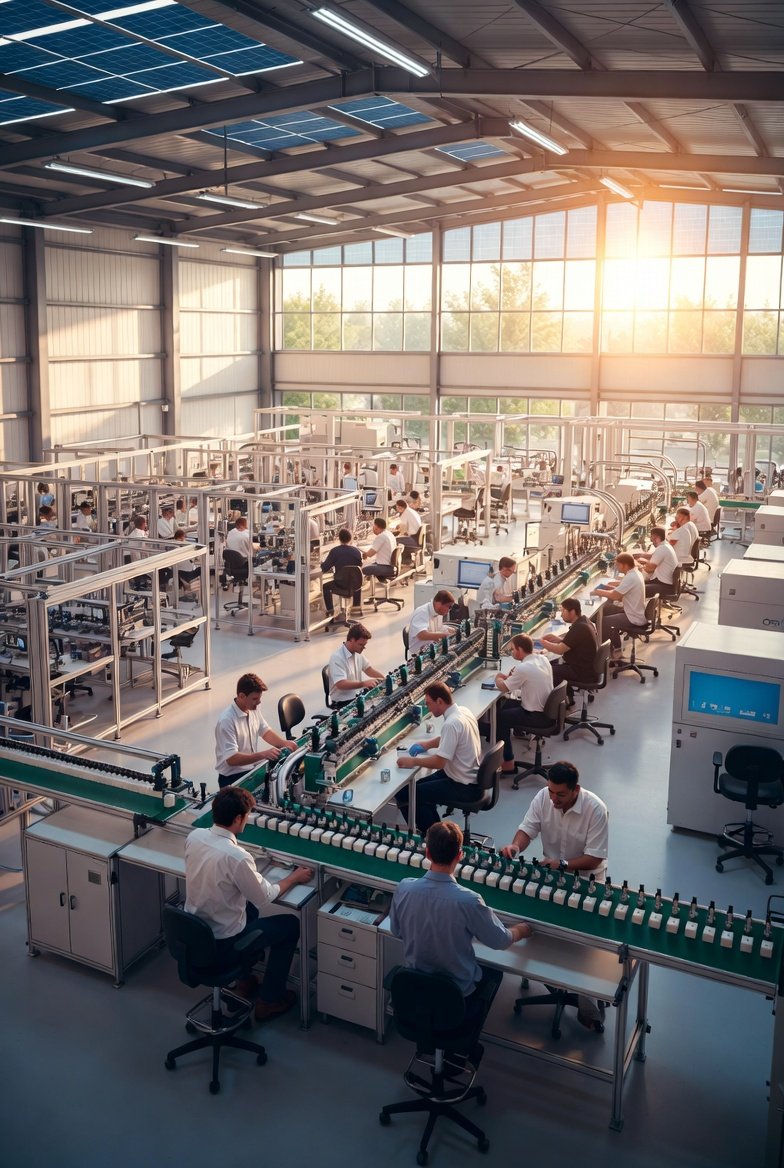
The metaops ideal customer profile manufacturing is essential for businesses seeking to optimize their operations and achieve lasting success. This profile serves as a detailed blueprint outlining the characteristics, challenges, and goals of the ideal manufacturing companies that can truly benefit from specialized operational excellence support, interim leadership, and strategic problem-solving services. It pinpoints mid-sized manufacturers who value efficiency, ethical resource management, and continuous improvement, ensuring every partnership creates shared prosperity while honoring principles of stewardship and fairness.
Imagine walking into a bustling factory where machines hum in perfect harmony, teams collaborate with genuine enthusiasm, and every process runs smoothly without unnecessary waste. That vision becomes reality when leaders align their efforts with the right partners. For manufacturing businesses aiming to thrive ethically and profitably, defining an ideal customer profile isn't just a marketing exercise—it's a pathway to meaningful growth that respects time, resources, and human potential.
Why Defining an Ideal Customer Profile Transforms Manufacturing Operations
Manufacturing has always been the backbone of strong economies, creating jobs, fostering innovation, and delivering essential goods that improve daily life. Yet many facilities face hidden inefficiencies: rising costs, supply chain bottlenecks, outdated processes, and talent gaps that slow progress. This is where a thoughtfully crafted ideal customer profile (ICP) makes all the difference.
An ICP acts like a compass, guiding sales, marketing, and service teams toward companies that are the best fit. Instead of chasing every lead, you focus on those who will gain the most value and, in turn, become loyal advocates. In manufacturing, this means zeroing in on organizations ready for positive change—those committed to excellence without compromising values.
The rewards are profound. Companies using a precise ICP report higher win rates, shorter sales cycles, and stronger long-term relationships. Resources are used wisely, teams stay motivated, and growth feels natural rather than forced. It's a wholesome approach that aligns perfectly with building businesses that contribute positively to communities and families.
Understanding MetaOps: Partners in Operational Excellence for Manufacturers
MetaOps stands out as a trusted ally for manufacturers ready to elevate their performance. Through Problem Solving as a Service (PSaaS), they deliver rapid, tailored solutions to complex operational challenges. Whether it's streamlining production lines, optimizing supply chains, or implementing lean practices that reduce waste while boosting output, MetaOps brings proven expertise right when it's needed most.
Their network of interim executives and specialists offers flexible talent on demand. Need a seasoned operations leader to guide a facility expansion? Or experts in quality systems to meet rigorous standards? MetaOps connects manufacturers with the exact skills required, often within days, without the long-term commitment of full-time hires.
What makes this partnership special is its focus on real results that matter: cost savings that free up capital for innovation, processes that respect workers' time and well-being, and strategies that support sustainable, halal-compliant growth. Manufacturers who partner with MetaOps often describe a renewed sense of purpose, watching their teams flourish as inefficiencies disappear and opportunities emerge.
Core Elements That Define the Perfect Manufacturing Partner
Building a strong ideal customer profile begins with clear firmographics—the foundational traits that describe the company itself. Ideal partners typically operate in dynamic sectors such as automotive components, electronics assembly, food processing, or precision metal fabrication. These industries demand precision, adaptability, and unwavering commitment to quality.
Company size plays a crucial role. The sweetest spot often falls between $50 million and $250 million in annual revenue, with 200 to 1,000 employees across two to five facilities. These mid-sized manufacturers have outgrown basic operations but aren't yet burdened by the bureaucracy of massive corporations. They possess the scale to implement meaningful changes yet retain the agility to move quickly.
Location matters too. Many thrive in established industrial hubs with strong logistics networks, access to skilled labor, and supportive communities. Whether in the Midwest heartland or emerging regional centers, these companies benefit from proximity to suppliers and customers, keeping transportation efficient and environmental impact low.
Technographics reveal how advanced their current systems are. Ideal profiles include manufacturers using modern ERP platforms, manufacturing execution systems, and some level of automation such as collaborative robots. They're not starting from scratch but are ready to integrate smarter tools that enhance rather than replace human expertise.
Pain Points That Signal a Need for Expert Support
Every manufacturing leader faces challenges, but the right profile shows specific indicators that expert guidance can resolve beautifully. Supply chain complexity often tops the list—managing dozens or hundreds of suppliers while maintaining consistent quality and timely delivery. Global events can disrupt even the best-laid plans, creating stress that ripples through the entire organization.
Regulatory compliance adds another layer. Whether meeting international quality standards, safety requirements, or environmental guidelines, staying ahead requires dedicated focus. Many facilities juggle multiple certifications while keeping production running smoothly—an area where specialized support brings clarity and confidence.
Talent shortages and knowledge gaps frequently arise during growth phases. When launching new product lines or expanding facilities, internal teams may lack the exact experience needed for seamless execution. This is where interim experts provide calm guidance, transferring skills that empower permanent staff long after the project ends.
Cost pressures and efficiency demands never fade. Rising raw material prices, energy costs, and competitive markets push leaders to do more with less. The ideal profile includes companies actively seeking ways to eliminate waste—not through harsh cuts, but through intelligent process improvements that honor both people and resources.
Step-by-Step Guide to Creating Your Own MetaOps-Aligned Customer Profile
Creating an effective profile doesn't have to be complicated. Start by examining your most successful past engagements. Review data from your top-performing clients: What shared traits do they have? What challenges did they overcome together? What results did they achieve? This internal analysis forms the foundation.
Next, conduct thoughtful conversations. Reach out to satisfied customers and ask about their goals, daily realities, and what made the partnership work so well. Sales teams can share common objections they hear and the moments when prospects suddenly became enthusiastic. These insights bring the profile to life with real human stories.
Supplement with reliable external research. Industry directories, professional networks, and trusted business databases help validate patterns. Look for companies showing growth signals such as new facility announcements, recent investments in technology, or leadership changes focused on improvement.
Document everything clearly. Create a simple template covering firmographics, technographics, situational factors, and behavioral indicators. Include both positive traits to pursue and "anti-profile" characteristics to avoid—such as organizations resistant to change or those with misaligned values.
Test and refine regularly. Markets evolve, technologies advance, and customer needs shift. Set a schedule to review your profile annually or whenever major industry changes occur. This keeps your efforts focused and effective over time.
How the MetaOps Ideal Customer Profile Manufacturing Delivers Real Value
Around the midpoint of developing targeted strategies, the metaops ideal customer profile manufacturing truly shines as a strategic tool that transforms scattered efforts into focused, high-impact actions. It ensures marketing messages resonate deeply because they speak directly to genuine needs. Sales conversations become more productive, centered on solutions rather than generic pitches. Service delivery feels personalized, building trust that leads to lasting partnerships.
Manufacturers who align with this profile experience faster implementation of improvements. Projects that once dragged on for months reach completion in weeks, thanks to expert interim support. Cost savings become visible quickly, freeing resources for employee development, community initiatives, or new product innovation.
The human element stands out most. Teams feel supported rather than overwhelmed. Leaders gain confidence knowing they have reliable partners beside them. The entire organization moves forward with renewed energy, creating products that serve society while building stronger, more resilient businesses.
Real-World Examples of Success in Manufacturing
Consider a mid-sized automotive parts manufacturer in the Midwest. Facing pressure to reduce defects and meet tighter delivery schedules, they partnered with operations specialists. Within months, production efficiency improved dramatically, scrap rates dropped, and employee morale soared. The company not only met customer demands but exceeded them, securing larger contracts and expanding its workforce ethically.
Another example involves a food processing facility committed to halal standards and sustainability. Supply chain disruptions threatened consistency, but targeted problem-solving support helped redesign processes for greater resilience. Today, they operate with smoother workflows, lower energy use, and a proud team that feels valued for contributing to wholesome products families trust.
These stories aren't rare exceptions—they represent what becomes possible when the right profile guides the way. Each success reinforces the power of focusing on companies ready and able to embrace positive change.
Aligning Operational Excellence with Ethical and Sustainable Values
True success in manufacturing goes beyond numbers on a balance sheet. It involves building businesses that honor ethical principles, care for the environment, and uplift communities. The ideal customer profile naturally attracts organizations that share these values—those who see efficiency as a form of responsible stewardship rather than mere cost-cutting.
Reducing waste aligns beautifully with teachings that discourage excess and encourage mindful use of blessings. Streamlining processes frees time for family, community service, and personal growth. When manufacturers operate cleanly and fairly, they set positive examples for the next generation of leaders.
Sustainability becomes a natural outcome. Better energy management, optimized material use, and thoughtful supply chains contribute to a healthier planet. Employees thrive in respectful environments where their contributions matter. Customers receive reliable, high-quality goods produced with integrity.
Common Pitfalls to Avoid When Building Your Profile
Even well-intentioned efforts can stumble without care. One frequent mistake is making the profile too broad, trying to serve everyone instead of focusing on the best fits. This dilutes impact and spreads resources thin.
Another trap is relying solely on assumptions rather than real data and conversations. Profiles built in isolation often miss important nuances that only come from listening to actual customers.
Ignoring the "anti-profile" can also lead to frustration. Understanding who doesn't fit helps protect time and energy for more promising opportunities.
Finally, treating the profile as a static document rather than a living tool limits its power. Regular updates keep it relevant as industries evolve.
Future Trends Shaping Manufacturing Customer Profiles
Looking ahead, several exciting developments will influence ideal customer profiles. Artificial intelligence and smart manufacturing will become more accessible, rewarding companies open to thoughtful technology integration. Sustainability requirements will grow, favoring organizations already committed to ethical practices.
Global supply chains will continue evolving, making resilience and adaptability even more valuable. Talent development will remain central, with emphasis on continuous learning and knowledge sharing.
Companies that stay attuned to these trends while holding fast to core values will naturally rise as ideal partners. The focus will remain on human-centered excellence—using technology to support people rather than replace them.
Taking Action: Your Next Steps Toward Manufacturing Excellence
The journey to operational mastery begins with clarity. Start by reviewing your current customer base through the lens of the ideal profile. Identify patterns and opportunities. Engage your team in discussions about what makes partnerships truly successful.
Reach out to trusted experts who understand manufacturing realities. Explore resources that provide practical guidance tailored to your industry. Consider how [operational excellence strategies] can support your unique goals and how [problem solving as a service PSaaS] might address specific challenges you face today.
For deeper insights into building resilient operations, check our internal guide on [supply chain optimization for ethical manufacturing]. And don't forget to review [interim executive talent solutions] that bring fresh perspectives without long-term overhead.