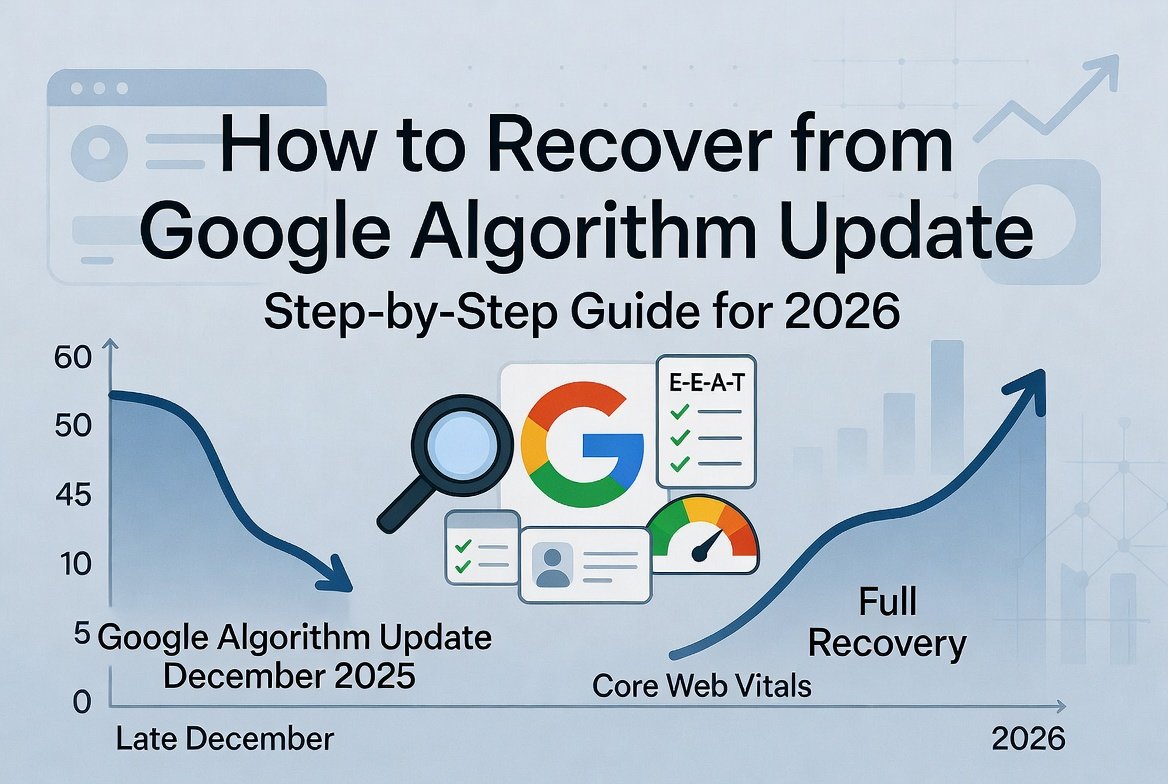
Google’s search algorithm evolves constantly to deliver the most relevant and helpful results to users worldwide. When a major shift occurs, many website owners experience sudden drops in organic traffic and rankings. If your site has been impacted, understanding how to recover from google algorithm update is essential for restoring visibility and long-term success. This comprehensive guide provides actionable, ethical strategies rooted in Google’s official guidelines and real-world SEO practices. By focusing on quality, user experience, and data-driven improvements, you can not only recover but emerge stronger after updates like those in late 2025.
Understanding Google Algorithm Updates
Google algorithm updates are broad or targeted changes to the search engine’s ranking systems. These adjustments help Google better evaluate content relevance, quality, authority, and user satisfaction. Unlike manual penalties, core updates recalibrate hundreds of ranking signals simultaneously, affecting millions of pages across the web.
Core updates typically roll out over days or weeks and emphasize factors such as E-E-A-T (Experience, Expertise, Authoritativeness, and Trustworthiness), helpful content, page experience, and technical performance. They reward sites that provide genuine value while demoting those with thin, outdated, or manipulative content.
Historically, Google has released dozens of updates annually. Some are minor refreshes; others, like core updates, cause noticeable volatility. The goal remains consistent: surface the most useful results for searchers. Website owners who align with these principles see stable or improved performance over time.
In 2025, Google continued refining its systems with a focus on AI-driven understanding of content, user intent, and site experience. These changes made recovery more about holistic site health than quick fixes.
Key Google Algorithm Updates in Late 2025
Google Algorithm Update November 2025 News Today
November 2025 brought several notable adjustments, including refinements to search result presentation and AI Overviews. Reports from industry sources highlighted shifts in how Google assessed content intent and trustworthiness. Publishers noted increased emphasis on clear, original insights rather than generic material. While not a full core update, these changes contributed to ranking fluctuations for sites lacking strong topical depth or user-focused elements. The google algorithm update november 2025 news today underscored Google’s ongoing push toward more intelligent, context-aware search.
Many site owners observed volatility in mid-November, particularly around brand queries and featured snippets. The period served as a precursor to larger shifts later in the year.
Google Algorithm Update December 2025
The most significant event was the December 2025 Core Update, which began on December 11 and completed on December 29 after an 18-day rollout. Google described it as a regular broad core update designed to better surface relevant, satisfying content from diverse sites.
This update caused substantial volatility across verticals. Sites with strong E-E-A-T and user-centric content often gained visibility, while others with thin or low-value pages saw declines. The prolonged rollout allowed Google’s systems to evaluate sites comprehensively, leading to lasting ranking adjustments. Data from monitoring tools showed winners and losers emerging clearly by early January 2026.
Understanding the timing and focus of these updates—especially the google algorithm update december 2025—helps contextualize your site’s performance data.
Signs Your Site Was Affected by a Google Algorithm Update
Recognizing the impact early prevents panic and enables faster action. Common indicators include:
- Sudden organic traffic drop: Check Google Analytics for a sharp decline correlating with update dates.
- Ranking fluctuations: Use Google Search Console (GSC) to track keyword position changes.
- Impressions vs. clicks mismatch: Impressions may remain steady while clicks fall, suggesting lower SERP visibility.
- Affected pages: Specific URLs or entire sections lose rankings while others remain stable.
- No manual actions: Confirm in GSC that no penalties were issued—most update impacts are algorithmic, not punitive.
Monitor tools like SEMrush Sensor or Ahrefs for industry-wide volatility scores around update periods. If your site matches these patterns following the late-2025 updates, targeted recovery efforts are warranted.
Immediate Actions After a Google Algorithm Update
Do not make hasty changes immediately after noticing a drop. Google advises waiting until the update fully rolls out before major overhauls. Rushed edits can complicate recovery.
- Document everything: Export GSC and Analytics data from before and after the update.
- Review SERPs: Analyze top-ranking pages for your key queries. Note what they do better in terms of depth, structure, and user signals.
- Audit internal data: Identify which pages lost the most traffic.
- Avoid black-hat tactics: Focus exclusively on white-hat improvements to align with Google’s guidelines.
Patience is key—recoveries often materialize during subsequent updates once improvements are in place.
Comprehensive Recovery Strategies: How to Recover from Google Algorithm Update
Midway through your recovery process, remember that how to recover from google algorithm update involves systematic, sustained effort rather than one-off fixes. The December 2025 core update and related changes rewarded sites demonstrating real value, so your strategy must prioritize user-first content and technical excellence.
Step 1: Conduct a Thorough Content Audit
Begin by evaluating every page. Ask: Does this content provide unique insights, firsthand experience, or practical solutions? Remove or merge thin pages. Update outdated statistics and examples with fresh, accurate information.
Enhance E-E-A-T by adding author bios with credentials, original research, case studies, and clear sourcing. Include real-world examples, expert quotes, and visual proof where possible.
For internal guidance on creating high-quality material, explore how to create SEO friendly blog posts for practical templates that align with current standards.
Step 2: Improve Technical SEO and Page Experience
Core Web Vitals remain critical. Optimize loading speed, mobile responsiveness, and visual stability. Use tools like PageSpeed Insights and Lighthouse to identify issues.
Implement structured data (schema markup) for rich results. Ensure crawlability with clean site architecture and an updated XML sitemap. Fix broken links and redirect chains.
Step 3: Enhance User Experience (UX)
Google measures engagement signals such as dwell time, bounce rate, and scroll depth. Create intuitive navigation, clear headings, and scannable content. Add interactive elements like tables, infographics, and FAQs that genuinely assist users.
Step 4: Strengthen Your Link Profile
Perform a backlink audit using tools like Ahrefs or Moz. Disavow toxic links if necessary (rarely required post-core updates). Focus on earning natural, authoritative links through valuable content and outreach.
For advanced insights on ethical link strategies in the current environment, review future of link building.
Step 5: Align with Search Intent and Topical Authority
Map content to user intent stages (informational, navigational, transactional). Build topical clusters around core themes to establish authority. Regularly publish fresh, in-depth content that addresses evolving searcher needs.
See how to rank higher on Google in 2026 for cluster-building frameworks.
Step 6: Monitor and Iterate with Data
Set up regular performance tracking. Use GSC for query reports and coverage issues. Test changes on a staging site when possible. Submit updated sitemaps and request indexing for key pages after major improvements.
Recovery timelines vary—some sites rebound within weeks of the next core update, while others require months of consistent effort.
Case Studies of Successful Recoveries Post-2025 Updates
Consider a mid-sized blog that lost 40% traffic after the December 2025 core update. The team conducted a content audit, rewrote 25 underperforming articles with original data and author expertise, and improved page speed by 30%. Within two months of the next refresh, organic traffic recovered fully and exceeded prior levels.
Another e-commerce site focused on UX enhancements and schema markup. By adding detailed product guides and customer testimonials demonstrating real experience, they regained top positions for competitive keywords.
These examples illustrate that targeted, user-focused changes yield results. Community discussions, such as this Reddit thread on surprises during the Google December 2025 update, offer additional peer perspectives on similar recoveries.
Essential Tools and Resources for Monitoring Recovery
Leverage free tools like Google Search Console, Google Analytics 4, and PageSpeed Insights. Paid options such as SEMrush, Ahrefs, and Screaming Frog provide deeper insights into competitors and site health.
Track algorithm status via Google’s Search Status Dashboard and industry blogs. Join ethical SEO communities for shared learnings without relying on shortcuts.
Preventing Future Drops: Long-Term Best Practices
To minimize impact from future google algorithm updates:
- Prioritize helpful, original content over quantity.
- Build a strong brand presence with consistent E-E-A-T signals.
- Maintain excellent technical foundations.
- Diversify traffic sources beyond Google.
- Stay informed through official Google channels like the Search Central Blog.
Regular audits—quarterly at minimum—keep your site resilient. View updates as opportunities to refine rather than threats.
Conclusion
Recovering from a Google algorithm update requires patience, analysis, and commitment to quality. By implementing the strategies outlined—content enhancement, technical optimization, UX improvements, and ethical link building—you position your site for sustainable growth in 2026 and beyond.
The google algorithm update december 2025 and preceding november developments reinforced Google’s focus on user value. Sites that adapt thrive. Start with a full audit today, apply these steps methodically, and monitor progress. With dedication, your recovery can lead to higher rankings and stronger audience connections than before.
This guide equips you with the knowledge to navigate changes confidently. For ongoing support, revisit related resources and maintain a user-first mindset. Your journey toward full recovery begins with the first intentional improvement—take that step now for lasting SEO success.