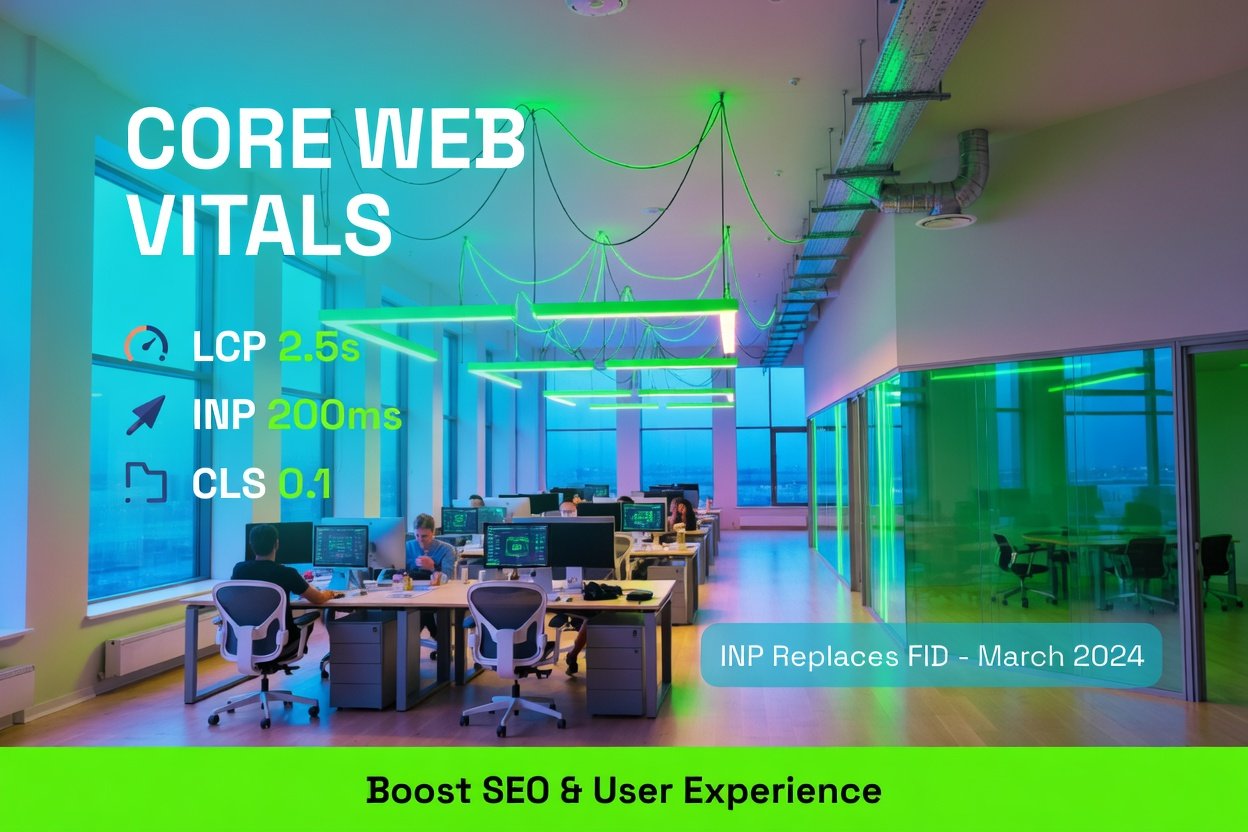
Core web vitals have become essential benchmarks that every site owner and developer must understand and prioritize. These metrics, introduced by Google, provide a clear, data-driven way to measure real-user experiences on web pages, focusing on loading speed, interactivity, and visual stability. As search engines increasingly reward sites that deliver exceptional user experiences, mastering these signals can significantly influence your visibility in search results and overall online success.
What Are Core Web Vitals?
Core Web Vitals represent a specific set of user-centric performance metrics that Google uses to evaluate how visitors actually experience your website. Unlike traditional speed tests that rely on synthetic lab data, these metrics draw primarily from real-world field data collected from actual users across different devices, networks, and locations. This approach ensures that optimizations target genuine improvements in how people interact with your content.
The three key Core Web Vitals metrics are Largest Contentful Paint (LCP), Interaction to Next Paint (INP), and Cumulative Layout Shift (CLS). Each addresses a distinct aspect of the user journey: how quickly the main content appears, how responsive the page feels during interactions, and how stable the layout remains while loading. Google considers these factors as part of its broader Page Experience signals, which contribute to ranking decisions alongside mobile-friendliness, HTTPS security, and safe browsing.
Achieving “good” scores across all three metrics—LCP under 2.5 seconds, INP under 200 milliseconds, and CLS below 0.1—signals to search engines that your site provides a smooth, frustration-free experience. Sites that consistently meet these thresholds often see better engagement rates, lower bounce rates, and improved conversion opportunities.
Largest Contentful Paint (LCP)
LCP measures the time it takes for the largest visible content element—typically a hero image, main heading, or video—to fully render within the user’s viewport. This metric directly reflects perceived loading performance. A slow LCP can make users feel the page is unresponsive, leading them to abandon the site before they even begin exploring.
Factors influencing LCP include server response times, render-blocking resources like large JavaScript or CSS files, and unoptimized images or fonts. In practice, LCP focuses on the most prominent element because that’s what users notice first. For e-commerce sites or content-heavy blogs, ensuring the primary visual or textual element loads swiftly is crucial.
Interaction to Next Paint (INP)
INP evaluates the overall responsiveness of a page by measuring the time between a user’s input (click, tap, or keypress) and the next visual update or “paint” on the screen. It captures the worst-case interaction latency across the entire page lifecycle, providing a more comprehensive view of interactivity than older metrics.
INP replaced First Input Delay (FID) as a Core Web Vital metric starting March 12, 2024. This shift marked a significant evolution in how Google assesses responsiveness. While FID only measured the delay before the first interaction could begin processing, INP considers all interactions and reports the longest one, making it a stricter and more accurate indicator of real-user frustration during navigation, form filling, or scrolling.
Cumulative Layout Shift (CLS)
CLS quantifies unexpected layout shifts during page load, such as when ads, images, or buttons suddenly move and disrupt the user’s reading or clicking flow. A high CLS score often leads to accidental clicks or disorientation, harming user trust and satisfaction.
This metric calculates the impact of shifting elements based on their size and the distance they move. Scores below 0.1 are ideal, indicating a visually stable experience. Common culprits include images without reserved space, dynamically injected content, and web fonts that cause reflows.
The Evolution of Core Web Vitals: FID Replaced by INP in March 2024
One of the most notable updates in recent years occurred with the transition in core web vitals inp replaces fid march 2024 google. On March 12, 2024, Google officially replaced First Input Delay (FID) with Interaction to Next Paint (INP) as a Core Web Vital. This change, known as fid replaced by inp core web vitals march 2024 or core web vitals inp replaces fid march 2024, addressed limitations in the older metric and better aligned with modern user expectations for responsive websites.
FID focused narrowly on the initial delay before any processing could start after the first user interaction. While useful, it failed to capture ongoing responsiveness issues that occur later in a user’s session. INP provides a fuller picture by evaluating every interaction and highlighting the poorest performer. As announced in official Google developer resources, this update rolled out across Search Console reports, PageSpeed Insights, and other tools shortly after the March 2024 deadline.
The core web vitals news surrounding this replacement generated significant discussion in the SEO community. Developers and site owners had to revisit their performance strategies, shifting focus toward minimizing long tasks, optimizing JavaScript execution, and ensuring consistent responsiveness throughout the page lifecycle. By 2026, INP has become the standard benchmark, and sites that adapted early gained a competitive edge in search rankings.
This evolution reflects Google’s ongoing commitment to prioritizing genuine user experience over simplistic metrics. The replacement encouraged broader optimizations, such as breaking up heavy JavaScript bundles and using modern browser APIs for better interaction handling.
Why Core Web Vitals Matter for SEO Success
In today’s competitive digital landscape, core web vitals seo has emerged as a key differentiator. Google has confirmed that strong performance in these metrics contributes to ranking signals within its core algorithms. While not the sole factor, poor Core Web Vitals can limit a site’s potential, especially when competing against similarly relevant content.
Websites with good Core Web Vitals scores tend to enjoy higher click-through rates, longer dwell times, and reduced bounce rates. These behavioral signals further reinforce positive ranking signals. Mobile users, who now dominate web traffic, are particularly sensitive to sluggish performance, making these metrics even more critical for responsive design strategies.
Moreover, Core Web Vitals align perfectly with broader SEO goals. Faster loading and smoother interactions improve accessibility, support voice search compatibility, and enhance overall site quality. For businesses in competitive niches, investing in these optimizations often yields measurable returns through increased organic traffic and better conversion rates.
To deepen your understanding of related performance tactics, consider exploring mobile SEO best practices for 2026 or how to create SEO friendly blog posts for complementary strategies that work hand-in-hand with Core Web Vitals improvements.
Measuring Core Web Vitals: Tools and Techniques
Accurate measurement is the foundation of effective optimization. Google provides several free and powerful tools to assess Core Web Vitals:
- Google Search Console: Offers a dedicated Core Web Vitals report using real field data from the Chrome User Experience Report (CrUX). It groups pages by performance status (Good, Needs Improvement, Poor) and highlights specific issues.
- PageSpeed Insights: Combines lab data from Lighthouse with field data, providing actionable recommendations for LCP, INP, and CLS improvements.
- Lighthouse: An open-source auditing tool available in Chrome DevTools, ideal for lab-based testing during development.
- web.dev Measure: Allows quick URL testing with detailed breakdowns.
Distinguish between field data (real users) and lab data (simulated conditions). Field data reflects actual performance under varying network conditions, while lab data helps diagnose issues in a controlled environment. Aim to monitor both for comprehensive insights.
Regular audits using these tools, combined with real-time monitoring via third-party services, ensure your site maintains strong scores as content and traffic grow.
Step-by-Step Optimization Strategies for Core Web Vitals
Achieving and maintaining excellent Core Web Vitals requires systematic effort. Here’s a detailed, actionable guide:
Optimizing for Largest Contentful Paint (LCP)
Start by identifying the LCP element using PageSpeed Insights or DevTools. Common fixes include:
- Upgrading server infrastructure for faster Time to First Byte (TTFB).
- Implementing a Content Delivery Network (CDN) to reduce latency.
- Compressing and serving images in modern formats like WebP or AVIF.
- Preloading critical resources with <link rel="preload">.
- Deferring non-essential JavaScript and CSS.
For image-heavy sites, refer to advanced techniques in resources like Ultimate Guide: How to Optimize Images for SEO 2026, which covers compression, lazy loading, and responsive images in depth.
Improving Interaction to Next Paint (INP)
Since INP replaced FID, focus on reducing main-thread blocking time:
- Break long JavaScript tasks into smaller chunks using requestIdleCallback or Web Workers.
- Minimize unnecessary event listeners and heavy DOM manipulations.
- Optimize third-party scripts, such as analytics or chat widgets, by loading them asynchronously or deferring them.
- Use modern frameworks that prioritize hydration and minimize client-side work.
Test interactions thoroughly across devices to catch edge cases.
Reducing Cumulative Layout Shift (CLS)
Prevent unexpected shifts by:
- Always specifying width and height attributes for images and videos.
- Reserving space for dynamic content like ads or embeds.
- Avoiding font swaps by using font-display: swap with system font fallbacks or preloading web fonts.
- Ensuring animations use transform and opacity properties instead of layout-triggering changes.
Core Web Vitals News and Updates in 2025-2026
As of 2026, Core Web Vitals continue to evolve with stricter thresholds and greater emphasis on mobile and AI-driven experiences. Google has refined field data collection methods, making metrics more representative of global users. Developers report that INP optimizations have become standard practice, with many content management systems offering built-in support for better scores.
Ongoing core web vitals news highlights the integration of these metrics with emerging technologies like edge computing and progressive web apps. Staying informed through official Google channels and industry reports remains essential.
Common Challenges and Solutions in Achieving Good Core Web Vitals
Many sites struggle with third-party scripts, legacy code, or dynamic content. Solutions include auditing dependencies regularly, implementing performance budgets, and adopting modern development practices like component-based architectures.
Server-side rendering and static site generation can dramatically improve initial load metrics. For WordPress or similar platforms, caching plugins and optimized themes help tremendously.
Real-World Examples and Case Studies
Consider an e-commerce site that improved LCP by 40% through image optimization and CDN implementation, resulting in a 25% uplift in conversions. Similarly, a news portal reduced CLS by reserving ad spaces, leading to higher reader engagement and better search visibility.
These examples demonstrate that targeted efforts yield tangible business benefits.
Future of Core Web Vitals and Web Performance
Looking ahead, Google is likely to incorporate more predictive and AI-enhanced metrics while maintaining focus on user-centric signals. The principles of fast, stable, and responsive experiences will remain foundational to web success.
For additional insights into performance-driven SEO, explore Essential Mobile SEO Best Practices for 2026.
According to detailed explanations on web performance metrics available on Wikipedia, these user-focused signals continue shaping how the internet evolves. (External link: Web performance on Wikipedia)
Conclusion
Mastering Core Web Vitals is no longer optional—it’s a strategic necessity for any website aiming for long-term success in search and user satisfaction. By understanding the metrics, implementing the optimizations outlined here, and staying updated on changes like the INP transition, you position your site for sustained growth.
Start auditing your pages today, apply the strategies step by step, and watch your performance—and rankings—improve. The effort invested in Core Web Vitals will pay dividends through better user experiences and stronger search presence well into the future and beyond.